Artella: A Handwritten Font for Web Design
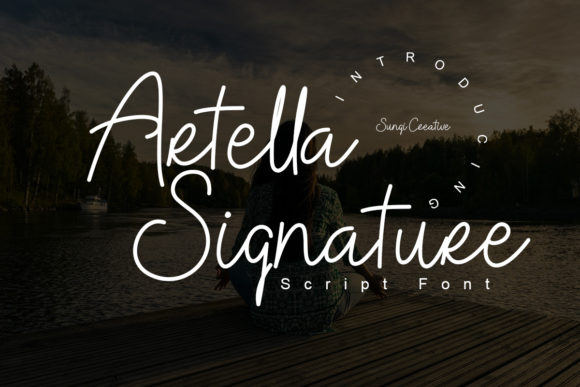
As a web designer, I know the importance of choosing the right typeface to support visual storytelling and user experience. Artella is a delicate handwritten font that brings a fresh and modern touch to digital projects. Its wide and round characters create a soft, inviting aesthetic that works well in various design contexts.
Artella is ideal for headers, hero sections, and call-to-action areas where a personal and creative tone is needed. It adds a unique personality to website layouts, helping to establish a strong brand identity. Whether you're designing a landing page, an online store, or a blog header, Artella can enhance the overall look and feel of your site.
Visual Characteristics and Digital Appeal
Artella’s rounded shapes and flowing lines give it a friendly and approachable vibe. This makes it particularly effective for brands that want to convey warmth, creativity, or authenticity. The font's subtle imperfections mimic real handwriting, adding a human touch that can make digital content feel more genuine and relatable.
Its versatility allows it to work in both minimal and complex designs. When used as a display font, Artella stands out without overwhelming the layout. It pairs well with clean, modern sans serif fonts for body text, creating a balanced contrast that improves readability and visual hierarchy.
Applications in Web Design and Branding
For a creative portfolio, Artella can be used as a headline to draw attention to key projects. In a boutique online store, it adds a personalized feel to banners and product titles. On a coaching website, it helps reinforce a trustworthy and professional image while maintaining an engaging tone.
Artella also works well in digital ads and social media graphics, where legibility and impact are essential. Its fluid style makes it suitable for short phrases, logo text, and decorative accents that add visual interest without sacrificing clarity.
Readability and Responsive Design Considerations
When using Artella on mobile screens, it's important to ensure sufficient size and spacing. Small buttons or text on dark backgrounds may require adjustments to maintain legibility. Similarly, when overlaying text on images, consider using a semi-transparent background or contrasting color to improve visibility.
In responsive layouts, test how Artella scales across different screen sizes. While it remains readable at larger sizes, avoid using it for long paragraphs of body text. Instead, use it for headings, subheadings, and key visual elements that benefit from its expressive style.
Font Pairing and Typographic Harmony
Pairing Artella with a simple sans serif font like Roboto or Open Sans can create a harmonious balance between creativity and clarity. This combination is especially effective for landing pages, where a bold headline needs to stand out against more neutral body text.
For editorial designs or blog headers, pairing Artella with a serif font like Georgia or Playfair Display can add a refined and elegant touch. This approach works well for content-focused websites that aim to evoke a sense of sophistication and professionalism.
Practical Tips for Using Artella
When incorporating Artella into your design system, check the available styles and file formats. Ensure that the font includes all necessary weights and alternates for flexibility. If your project requires multilingual support, confirm that the font covers the required character sets.
Commercial font licensing is an important consideration. Make sure you have the proper license to use Artella on websites, client projects, online stores, and other digital assets. This ensures compliance and avoids potential legal issues down the line.
Enhancing User Engagement and Brand Trust
The right font can influence how users perceive a brand. Artella’s soft and modern appearance helps build trust by conveying a sense of creativity and approachability. This is especially valuable for SaaS platforms, online courses, and digital products that rely on strong brand recognition.
Using Artella in conversion-focused layouts, such as sales pages or sign-up forms, can enhance user engagement. Its visual appeal draws attention to key actions, making it easier for visitors to navigate and interact with your content.
Conclusion
Artella is a versatile and expressive font that supports a wide range of web design applications. From headers and logos to digital ads and brand kits, it adds a fresh and modern touch that aligns with contemporary design trends. By understanding its strengths and limitations, you can use Artella effectively to elevate your digital projects and strengthen your brand identity.